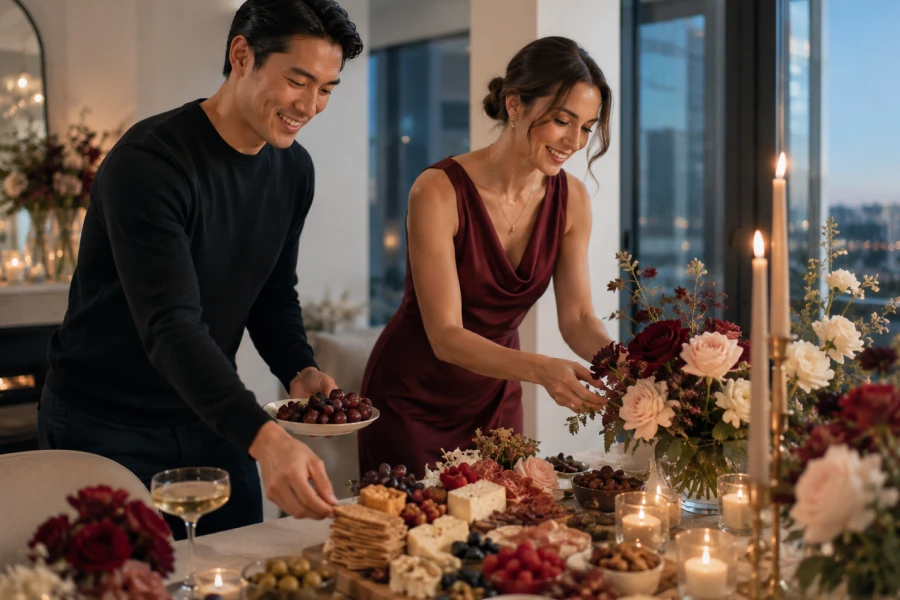
Modern celebration planning works best when it gives people room to enjoy the reason for gathering. A packed agenda can make even a beautiful event feel rushed and overly managed. Instead, focus on the feeling you want guests to carry home. That feeling might be connection, joy, comfort, surprise, or appreciation. Start with menu rhythm planning and one clear emotional direction. The rest of the event can build around those choices. A thoughtful celebration does not need many moving parts. It needs a few moments that feel intentional and easy to share. This approach helps you spend less time coordinating and more time participating. That is what makes modern hosting feel genuinely fresh.
Before choosing a date, menu, or decor style, name the reason for the celebration. You may be honoring a birthday, season, friendship, milestone, or simple need to reconnect. That purpose should influence the scale and tone of the gathering. A casual evening can become meaningful when the intention feels clear. You do not need to explain the purpose in a speech. Let it guide your decisions in the background. A birthday dinner may call for warmth and attention. A reunion may need flexible time for conversation. A holiday gathering may benefit from familiar rituals. Clear purpose makes the event easier to plan. It also helps guests understand what kind of energy to bring.
The guest list shapes the energy of the celebration more than any decorative detail. Think about how people know one another and what kind of interaction feels natural. A smaller group can create depth and relaxed conversation. A larger group can create energy when the space and timing support it. Avoid inviting people only because you think you should. The best mix includes people who can enjoy the same overall mood. Consider whether guests will have enough shared ground to connect. You can also create a loose seating plan when the gathering is more formal. Introductions should feel easy, not like networking. A thoughtful guest list allows the room to feel comfortable quickly. That comfort becomes the foundation for every other element.
Personal details make a celebration feel less generic and more alive. Choose one or two elements that reflect the host, guest of honor, or season. That might be music, a favorite drink, a meaningful color, or an informal tradition. Avoid adding personal details everywhere just to create a theme. A little specificity can go a long way. Think about personal party traditions that people will recognize and enjoy. These details should make guests feel closer to the occasion. They do not need to be elaborate to feel memorable. A celebration becomes distinctive when it carries real personality. That is what separates an event from a gathering people truly remember.
Flexible planning gives you more freedom when real life changes the day. Build a structure that can expand, contract, or shift without creating panic. Choose food that can be served at slightly different times. Use seating that can adjust as guests arrive. Keep decor simple enough to move if you need more space. Make your timeline a helpful outline rather than a rigid script. That flexibility allows you to respond to the room instead of fighting it. Consider weather, travel delays, and different energy levels ahead of time. A backup plan does not need to be complicated. It can be as simple as another snack, playlist, or indoor option. Flexible setup makes hosting feel more confident. It also protects the atmosphere when unexpected changes happen.
Rituals can create a sense of occasion without making an event overly formal. They might include a toast, a shared dessert, a photo moment, or a favorite song. The right ritual gives the gathering a gentle emotional center. Choose something that feels comfortable for the people involved. Avoid forcing participation if your group prefers a more relaxed style. A small collective moment can still make the celebration feel special. Explore versatile celebration rituals that can adapt to different occasions. Repeating a meaningful tradition can make people look forward to future gatherings. It also gives the event a recognizable signature. A good ritual feels easy to repeat and hard to forget. That is exactly what makes it valuable.
Modern celebrations feel more sustainable when cleanup does not become a second event. Plan for a simple reset before guests arrive. Keep storage containers, trash bags, and dish space ready in advance. Choose serving pieces that are easy to collect and wash. Ask close friends for small help when the gathering is informal enough. You do not need to manage everything alone. The goal is to protect your energy after the event ends. A thoughtful reset also makes you more likely to host again soon. Modern celebration planning should support your life, not disrupt it for days. When the aftermath stays manageable, the joy of the event lasts much longer. That makes hospitality feel like a habit rather than a performance.

Leave a comment